




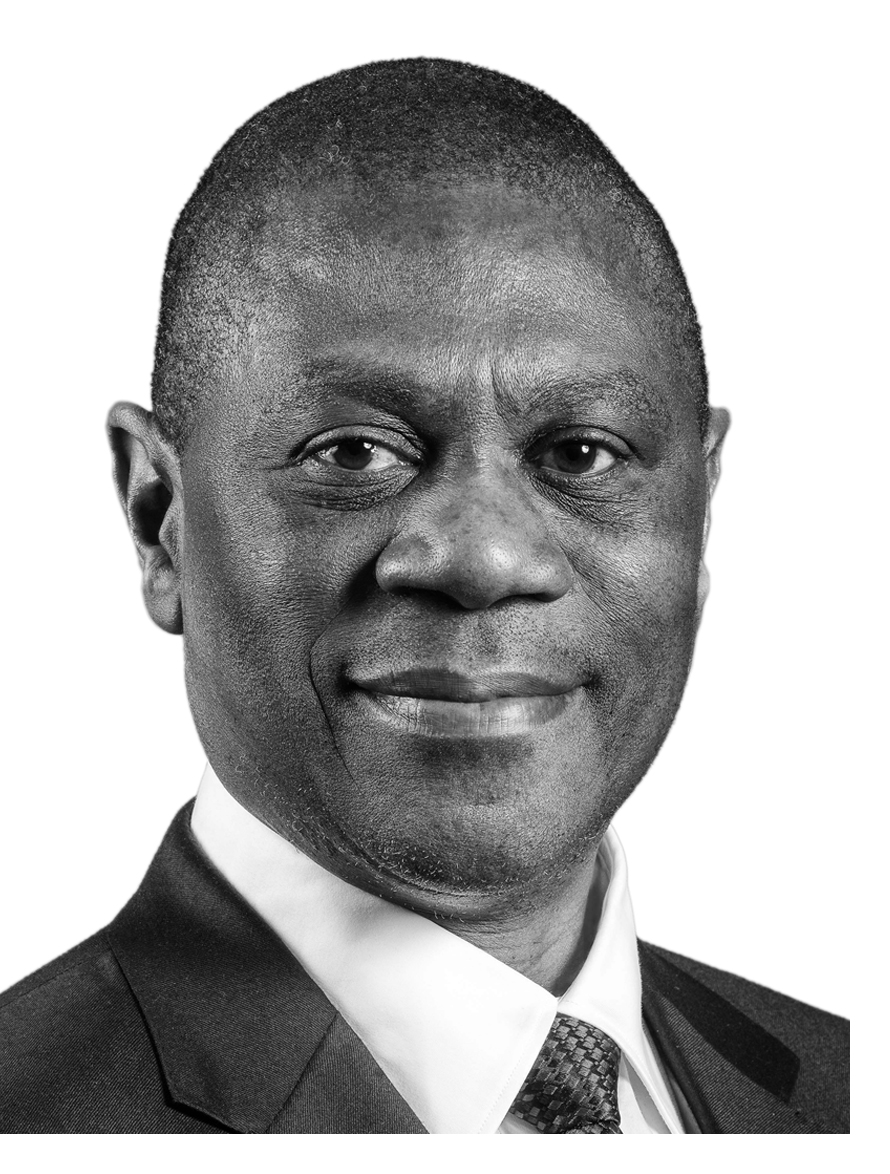
Keynote address by Deputy President and SANAC Chair, Shipokosa Paulus Mashatile, at the official commemoration of World AIDS Day, Ga-Masemola, Sekhukhune District, Limpopo
Programme Directors: Limpopo Health MEC, Dieketseng Mashego, and Provincial Civil Society Chairperson, Dr Kholofelo Monyela;
Our gracious host: Limpopo Premier, Dr Phophi Ramathuba;
Minister of Health, Dr Aaron Motsoaledi;
Deputy Minister of Social Development, Mr Hanief Hendricks;
Deputy Minister of Sport, Arts and Culture, Ms Peace Mabe, and all Deputy Ministers present;
Executive Mayor of Sekhukhune District, Cllr Minah Bahula;
Mayor of Makhuduthamaga Local Municipality, Cllr Merah Mahlase and Councillors;
SALGA President, Mr Bheke Stofile;
Chairperson of the SANAC Civil Society Forum, Mr Solly Nduku;
Chairperson of the SANAC Private Sector Forum, Ms Mpumi Zikalala;
The UN Resident Coordinator, Mr Nelson Muffuh;
UNAIDS Country Director, Ms Eva Kiwango;
SANAC CEO, Dr Thembisile Xulu;
South African Patron of the Global Alliance to End AIDS in Children, Ms Humile Mashatile;
Our esteemed Traditional Leaders from here and far present today;
Esteemed guests and members of the media;
Fellow South Africans;
Thobela! Avuxeni! Good afternoon!
Every year, on the 1st of December, we join the world to observe World AIDS Day, not as a mere formality but as an opportunity to remember and strengthen our commitment to honouring lives lost.
The commemoration emphasises the importance of our commitment to accelerate our efforts to end AIDS.
This year, South Africa's theme of "Renewed Efforts and Sustainable Commitments to end AIDS" highlights the need to revitalise strategies to improve prevention and treatment. It stresses the importance of long-term investment in HIV amid funding cuts and changing global priorities.
Compatriots,
Efforts against HIV and AIDS have achieved notable progress, including surpassing the first and third UNAIDS 95-95-95 targets, yet challenges persist in initiating and retaining diagnosed individuals on treatment.
Currently, South Africa's statistics are at 96-80-97, while global figures stand at 95-85-92.
To confront the stubborn second 95 target, we launched one of the most ambitious national recovery efforts on February 25th, 2025, known as the 1.1 million “Close the Gap” Treatment Acceleration Campaign.
This campaign is not merely about reaching a number; it is about restoring life, reclaiming hope, and bringing our people back into a system they drifted away from for many complex reasons.
The 1.1 million gap in particular represents mothers who stopped treatment because transport was too costly, men who walked away after negative clinic experiences, young people who feared disclosure, and thousands who moved between provinces without continuity of care.
It represents the painful truth that success in HIV is never permanent.
However, it must be defended every single day. The Close the Gap Campaign is our national call to action. We call for multi-sectoral coordination to ensure that we continue to perform various community-based interventions, such as door-to-door, ward-to-ward, and district-by-district mobilisations. These strategies are essential for encouraging reengagement in care, highlighting that treatment remains free, lifesaving, and a fundamental right for citizens to improve their lives.
Our progress to date shows something undeniable: when Government, Civil Society, Traditional Leaders, healthcare workers, and communities work together, South Africa moves. South Africa heals. South Africa rises. Through this campaign, we are saying loudly: every person lost to care, matters!
As a country we are also acutely aware that to achieve the second 95 we must implement policies that improve access, retention, and re-engagement with treatment.
This includes policies that directly address structural inequalities and dismantle stigma, particularly for the most vulnerable among us.
I am referring to women and girls, people who use drugs, sex workers, and the LGBTQIA+ community. By prioritising equity and inclusion, we can create systems that protect and empower everyone.
We continue to make significant improvements in HIV testing, treatment and care through expanded access to antiretroviral therapy and innovative community-led prevention efforts.
Three weeks ago, Health Minister, Dr Aaron Motsoaledi launched the 6MMD (Six-Month Multi-Month Dispensing) model in Bloemfontein in the Free State. This approach allows stable patients to receive a six-month supply of ARVs in one clinic visit, reducing clinic visits, saving time and transportation costs, and alleviating the workload at healthcare facilities. The results will improve treatment adherence and patient outcomes, contributing to achieving the second 95 target.
Compatriots, South Africa faces a dual epidemic of HIV and tuberculosis (TB). The Global Tuberculosis Report of the World Health Organization of 2025, released last month, shows that tuberculosis continues to be the world’s top infectious killer disease.
In 2024, tuberculosis claimed the lives of 1.23 million individuals worldwide, with 54,000 fatalities in South Africa.
Despite a 61% reduction in tuberculosis incidence in South Africa from 2015 to 2024, the struggle against the disease continues.
We need to END TB. In line with this objective, on March 24, 2025, during the World TB Commemorative event in KwaZulu-Natal, I launched the END TB Campaign with the goal of testing 5 million individuals annually for tuberculosis, highlighting the urgency of combating the disease for its eradication.
Subsequently, Minister Motsoaledi launched the TB Dashboard to allow all stakeholders to monitor the campaign’s progress by having access to near- real-time data.
To date, this campaign has reached 1.8 million, representing 62% of the target assigned from April 1st to September 30th, 2025.
The National Department of Health has introduced a novel 6-month regimen for patients with multi-drug-resistant tuberculosis, significantly shorter than the previous treatments of 9, 18, or 24 months. This new regimen has achieved an unprecedented treatment success rate of close to 80%, surpassing the target of 75% for Drug Resistant TB patients. We are performing well against national and global targets.
Another shorter, much more friendly treatment regimen of 4 months was also introduced for children. We look forward to further refinements in treatment outcomes among children receiving newer TB treatments in our facilities.
Fellow South Africans, 2025 marks two decades since the introduction of lifesaving antiretroviral therapy (ARVs). Prior to this policy shift in the early 2000s, HIV was a fatal disease with significant mortality, affecting over half a million lives and reducing life expectancy to just 54 years. The introduction of ARVs transformed this narrative, starting with the first pill administered in Khayelitsha, heralding a miraculous change.
Mothers that were initially given a terminal diagnosis have experienced health improvements, witnessing their children graduate and becoming grandmothers. Children thought unlikely to reach Grade 1 are now thriving at 21, flourishing in tertiary education. ARVs have reduced vertical transmission of HIV to below 2% in South Africa, allowing children born to HIV-positive mothers to achieve healthy milestones. This is what Ubuntu means when it becomes policy.
Fellow South Africans,
We hold this commemoration against the backdrop of a successful G20 Summit. One of the key activities on the sidelines of the G20 was the Global Fund 8th Replenishment Summit. The event was co-hosted by South Africa and the United Kingdom, led by H.E. President Cyril Ramaphosa and H.E. Prime Minister Keir Starmer.
The 8th Replenishment campaign aimed to raise a total of 18 billion US dollars to fund the GC8 grant cycle from 2027 to 2029 was introduced. Its objective is to save up to 23 million lives, enhance health systems, and accelerate efforts against HIV, TB, and Malaria.
Pledges amounting to 11.3 billion US dollars were raised globally, with significant contributions from the African continent, the largest recipient of Global Fund resources.
South Africa pledged 36.6 million US dollars through a public-private partnership between DIRCO, NDOH, Anglo-American, and Goodbye Malaria. South Africa has been a major beneficiary of the Global Fund to the tune of 2.3 billion US dollars over the years. Most recently, it secured 400 million US dollars for Grant Cycle 7, which started on 01 October 2025 and will run until 31 March 2028.
On this World AIDS Day, we celebrate the incredible progress that has transformed HIV from a death sentence into a condition that can be managed with dignity and hope.
Yet, our mission is far from over. Today, we stand at a defining moment—where science, compassion, and unwavering resolve can unite to end an epidemic that has cast its shadow for many years.
We are on the verge of a significant advancement in the prevention revolution. Lenacapavir is a groundbreaking long-acting prevention technology that provides 100% protection for up to six months with just one injection and requires only two injections per year, which will significantly enhance how individuals protect themselves in the next generation.
This innovation has profound implications for South Africa. It offers hope for young women who cannot negotiate condom use. It empowers adolescent girls navigating relationships marked by power imbalances. It provides protection for key populations who face stigma and discrimination. It supports workers and learners who struggle with the burden of daily pill adherence. In other words, Lenacapavir speaks to the reality of our people’s lives, that prevention must be practical, dignified, discreet, and compatible with the pressures of daily survival.
We collaborated with SAHPRA to achieve regulatory readiness, making our regulator the first in Africa and third globally to register Lenacapavir. Additionally, we are engaging with various stakeholders to explore local manufacturing opportunities, emphasising the importance of active participation in developing prevention tools to avoid relying on global supply chains.
Let me be clear: we cannot repeat the mistakes of the early ARV era, where life-saving tools reached our shores too slowly. This time, we move with urgency, with foresight, and with unity. Lenacapavir is not just a drug. It is a symbol of what becomes possible when science, political will, and community demand meet at the same table.
To close the 1.1 million gap and prepare for long-acting prevention, we must critically examine our efforts towards marginalised communities and our willingness to embrace new scientific advancements. Key considerations include ensuring accessibility, affordability, and sustainability, alongside a commitment to a future without HIV transmission at birth or resulting adult deaths from the virus.
Let us confront stigma with courage, fund research, and ensure treatment reaches everyone. This is a commitment to health, dignity, justice, and equality for all people.
Ladies and gentlemen,
Let us rise to this challenge together, renewed, resilient, and resolute, aligned to South Africa’s World AIDS theme for 2025, Renewed Efforts and Sustainable Commitments to End AIDS.
I thank you.
.png)

.png)