




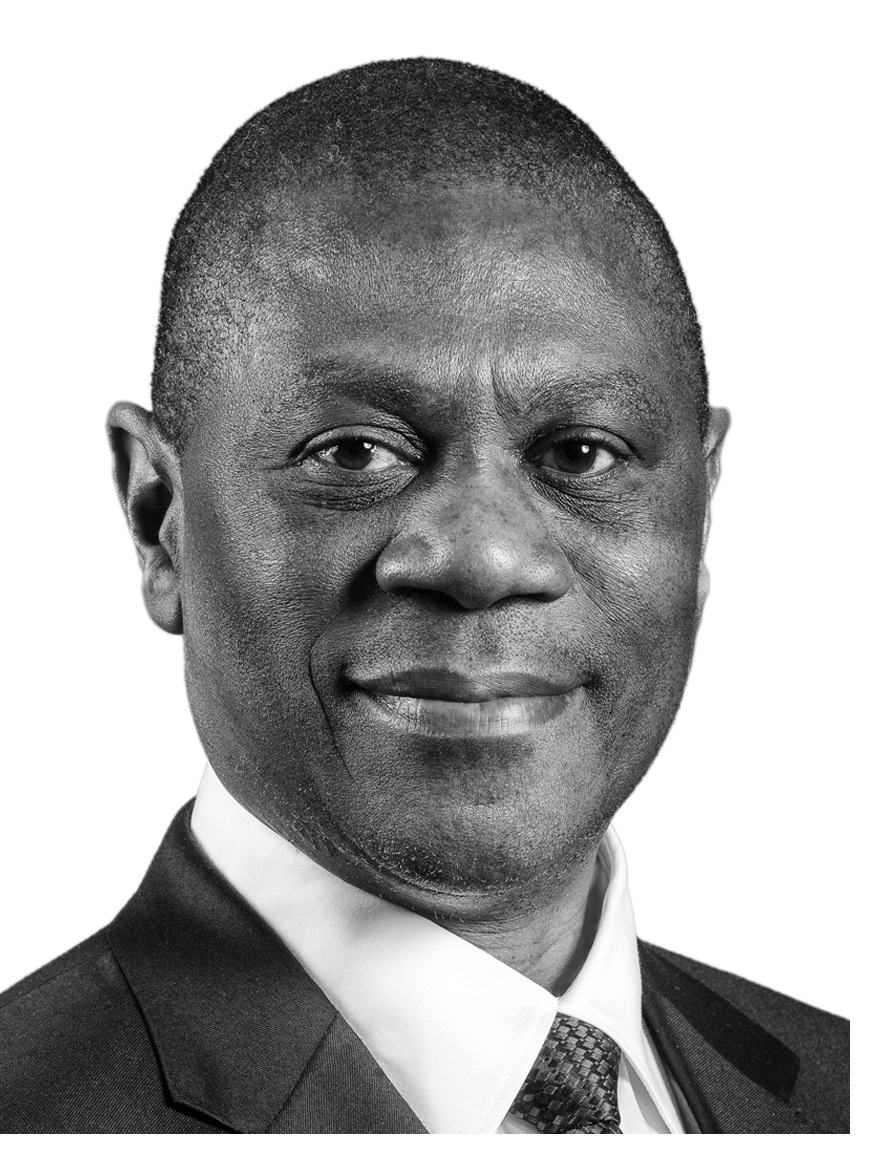
Keynote address by Acting President Shipokosa Paulus Mashatile at the All-Africa Business Leaders’ Awards, Sandton Convention Centre, Johannesburg, Gauteng Province
Programme Director;
Mr Rakesh Wahi, Chairman and Co-Founder of the ABN Group;
Ministers, Deputy Ministers and MECs present;
Dr Ngozi Okonjo-Iweala, Director-General of the World Trade Organization;
Ambassadors, High Commissioners and Members of the Diplomatic Corps;
Mr Sid Wahi, Vice-Chairman of CNBC Africa and Forbes Africa;
Representatives of the ABN Group;
Members of the AABLA Judging Committee;
Nominees, Finalists and Business Leaders;
Ladies and Gentlemen;
Good Evening,
I am pleased to deliver this address on behalf of the President and as a representative of the South African Government. I regret that I cannot join you in person, and I wish you a successful and memorable evening.
For more than a decade, the All Africa Business Leaders Awards have celebrated Africa's resilience, innovation, excellence and determination. They have become one of the continent's most respected platforms for recognising outstanding business leadership and those shaping Africa's economic future.
I recall that shortly after addressing this gathering in 2023, someone asked me: "Why would the Deputy President attend a business awards ceremony?"
My response was simple: recognising business success goes beyond presenting trophies or celebrating financial achievement. It is about recognising men and women whose vision, hard work and willingness to take risks create opportunities for others. They create jobs, drive innovation, grow industries and contribute to the prosperity of our societies.
These awards also inspire entrepreneurs, facilitate partnerships between business leaders and policymakers, and encourage investment and intra-African trade.
They remind us that Africa's development cannot be driven by Governments alone. It requires strong public-private partnerships.
Ultimately, the awards contribute to the aspirations of the African Union's Agenda 2063, which envisions an integrated, prosperous and peaceful Africa, driven by its own citizens.
Ladies and Gentlemen,
While tonight is a celebration of achievement, it is also an opportunity to reflect on the kind of Africa we are building.
Our continent is experiencing economic growth and is home to some of the world's fastest-growing economies. Yet this progress coexists with persistent poverty, inequality and infrastructure deficits.
The question is no longer whether Africa has potential, but whether we have the collective vision, determination and political will to translate that potential into prosperity.
Africa's future must be shaped by Africans. Governments must advance regional economic integration, remove regulatory barriers and create an enabling environment for business investment and innovation.
At the same time, businesses must look beyond national borders, embrace innovation and position themselves to compete in the global economy.
One of the most transformative developments shaping this economy is Artificial Intelligence.
AI is already driving productivity, growth and competitiveness across industries. For Africa, it presents an opportunity to address development challenges, create new industries and open up markets.
We cannot afford to remain consumers of technologies developed elsewhere. We must become innovators, builders and exporters of AI solutions that respond to African realities and compete globally.
Business leaders have a critical role to play. The investments you make today in AI, digital infrastructure and innovation will determine your ability to grow, create jobs and remain competitive in the economy of tomorrow.
However, technology alone will not transform our continent. We must also invest in the people who will develop, adapt and deploy these technologies.
Africa has the world's largest youth population, projected to exceed 830 million by 2050. By that time, the continent is expected to account for approximately 85 per cent of growth in the global workforce.
This presents us with a historic demographic advantage. But it will only become a dividend if we equip young people with the necessary skills and knowledge.
We must prioritise education, entrepreneurship, digital literacy and science, technology, engineering and mathematics, and prepare the youth not only to participate in the future economy, but to lead it.
Ladies and Gentlemen,
For Africa to realise its full potential, we need infrastructure that enables people, goods, services and ideas to move seamlessly across our continent.
We need modern transport corridors, efficient ports, reliable energy systems, broadband connectivity and digital infrastructure to reduce the cost of doing business, improve competitiveness and connect our economies.
This is particularly important in the context of the African Continental Free Trade Area.
The AfCFTA is more than a trade agreement; it is a continental development project that offers an opportunity to transform 54 separate markets into one African market, strengthen regional value chains and ensure that more of Africa's wealth is created and processed on African soil.
With a market of more than 1.4 billion people and a combined GDP exceeding US$3.4 trillion, the AfCFTA has enormous potential.
According to World Bank estimates, it could increase intra-African exports by more than 80 per cent by 2035 while lifting millions of Africans out of extreme poverty.
However, this promise cannot be realised through policy alone. It requires infrastructure that connects our economies and makes it easier for African businesses to trade with one another. It should not be easier, faster or cheaper to trade with markets outside our continent than with our neighbours.
By investing in our people, building infrastructure and implementing the AfCFTA, we can create larger markets, attract investment, generate jobs and position Africa as a competitive force in the global economy.
Ladies and Gentlemen,
None of this will be achieved by Governments acting alone. It requires business leaders who are prepared to invest beyond immediate returns, embrace innovation, develop skills, build partnerships and expand into new markets.
Tonight, we celebrate those who are already contributing to this vision. Through your entrepreneurship, innovation and leadership, you are creating jobs, expanding opportunities and demonstrating what is possible when African talent is given the space to thrive.
Allow me to congratulate all those nominated this evening. You are the innovators, trailblazers and changemakers helping to shape the future of our continent.
Whether you leave here with an award or not, continue pushing boundaries, creating opportunities and lifting others as you rise. Being recognised as a nominee is itself a remarkable achievement and reflects your commitment to excellence and contribution to economic growth and social progress.
To our winners, congratulations on your achievements. May your success inspire future generations of African entrepreneurs and business leaders.
May your leadership continue to advance the cause of a prosperous, integrated and globally competitive Africa.
I thank you and enjoy the rest of the evening.
Inkomu.
.png)

.png)