






Remarks by Deputy President, Shipokosa Paulus Mashatile, on the occasion of the Evangelical Lutheran Church in Southern Africa Gala Dinner, Rustenburg Civic Centre
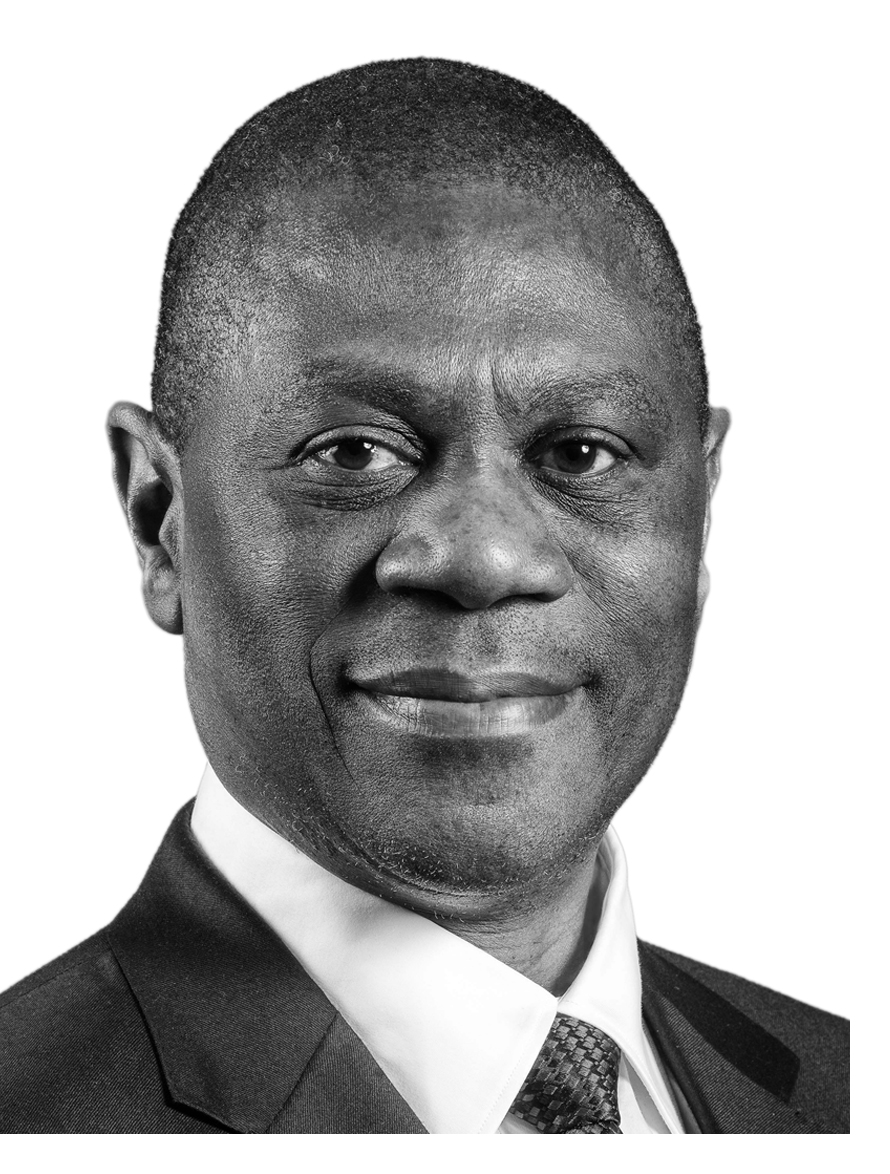
Programme Director, Dr D More;
Premier of North West Province, Mr Lazarus Kagiso Mokgosi;
Executive Mayor of Rustenburg Local Municipality, Ms Shiela Mabale-Huma;
Minister of Sports, Arts and Culture, Mr Gayton McKenzie;
Minister of Social Development, Ms Nokuzola ‘Sisisi’ Tolashe;
Minister in the Presidency for Women, Youth and People with Disabilities, Sindisiwe Chikunga;
ELCSA Church Leader, Presiding Bishop, Nkosinathi M. Myaka;
Esteemed Leaders of the Faith;
Brothers and Sisters in Christ;
Good evening!
Esteemed Bishop, I wish to convey my sincere appreciation for your kind invitation to partake in this occasion, commemorating fifty years and the Golden Jubilee, of Evangelical Lutheran Church in Southern Africa.
This institution stands on the shoulders of giants, rooted in the reformation led by Martin Luther, a courageous German monk who challenged corruption and opposed the sale of indulgences. His vision sparked a movement that significantly impacted history, and today, we see its fruits flourishing in Southern Africa.
As a believer, I join you in the spirit of Jubilee to proclaim that the Lord has brought you this far and will continue to hold your hand in the future.
Just to give context, the golden jubilee, outlined in Leviticus Chapter 25, was a sacred period designated for the Israelites, occurring every fiftieth year. This revered time was fundamentally about restitution and liberation, thus reinforcing social justice and community well-being. Basically, it was about;
● Freedom for the slaves
● Liberation from oppression
● Debt cancellation for the bankrupt
● Return of land to rightful owners
Of these, land restoration speaks profoundly to the current status of land reform in South Africa. The President has entrusted me with the responsibility of accelerating land reform and agricultural support. This is not only a policy priority, it is a moral calling.
Jubilee reminds us that land is more than an economic asset, it is central to social, cultural, and individual identity. It is a vital natural resource, and a foundation for human security and livelihoods. Its fair distribution is essential for dignity, stability, and shared prosperity.
We acknowledge the painful history of land dispossession and the ongoing struggles many South Africans face. As a church, we cannot remain silent while these injustices persist. We should not allow the false narrative about our efforts to create balance deter us from achieving our objectives. We should be the voice to the world about unity of black and white South Africans and reject repeated assertions that white South Africans face systematic persecution.
However, I am aware that the land question is a highly emotive and politically sensitive issue, reflecting black aspirations for restorative justice. It remains an unresolved, emotional matter focused on reversing centuries of land dispossession from Black Africans.
Black people were dispossessed of nearly 87% of land due to colonial practices and legislative actions, resulting in their retention of only 13%. This appropriation has led to a legacy of economic inequality and forced labour, which continues to impact their socio-economic status despite the implementation of democratic reforms aimed at rectifying these injustices.
The 1913 Natives Land Act confined Africans to 7% of land, about 9 million hectares and prohibited ownership outside reserves, which deteriorated under overcrowding. The 1923 Urban Areas Act compounded these restrictions, denying Africans property rights in urban areas.
Land reform aims to correct these historical wrongs, transform the economy, and reduce poverty. As Nelson Mandela said in 1995: “With freedom and democracy came restoration of the right to land… At last we can look our ancestors in the face and say: Your sacrifices were not in vain.” Since 1994, this promise has guided our efforts to make land a symbol of dignity and opportunity, not exclusion.
Ladies and Gentlemen,
Restitution heals wounds of displacement; redistribution opens doors to prosperity; and tenure reform secures families’ futures. The Expropriation Act of January 2025 marks a bold step forward, enabling expropriation without compensation in defined cases such as unused land or land acquired unjustly. This is not punitive; it is restorative, fulfilling the constitutional vision that South Africa belongs to all who live in it.
This legislative reform directly reflects Mandela’s notion of reclaiming land rights necessary for genuine freedom. We acknowledge that the process has moved slower than expected owing to obstacles including continuing disputes, mainly over expropriation without compensation, and insufficient advancement in large-scale redistribution.
Since 1994, roughly 19.3 million hectares have been redistributed or restored. Still, whites own 72% of private farmland, according to the 2017 Land Audit.
The church, as a significant landowner, has a moral obligation to support redress. We must collaborate with the government to implement fair, effective land reform and foster dialogue among stakeholders—guided by principles of stewardship, justice, and reconciliation.
Land reform is not just about property, it is about opportunity, dignity, and responsibility. The soil beneath our feet must become a bridge to justice and a legacy for future generations.
Agriculture remains critical for food security and economic growth and the Government is committed to supporting farmers through training, finance, and market access.
Beneficiaries must also actively cultivate the land, land ownership alone does not change lives.
Idle land cannot uplift communities; productive land can. Government programmes such as the Land Development Support Programme and Land Redistribution for Agricultural Development grants to provide resources for infrastructure, machinery, and operational costs.
Fellow Saints,
Let me set aside the weighty issue of land and embrace the spirit of celebration what brings us together at this Gala Dinner. Let me resist the temptation to deliver a sermon, though my name, Paul, might suggest otherwise.
My parents, who were pastors, gave me that name hoping I would follow in their footsteps. In becoming a politician, I believe I have not strayed far from their aspirations. Like the clergy, our calling is to guide, build communities, and pursue the greater good.
This shared mission makes collaboration essential. Together, we can promote social cohesion and nation-building. The Church offers spiritual guidance, the values that sustain communities. The government should support by bringing institutional capacity and the means to implement change. When these strengths converge, we lay the foundation for a South Africa that is united, prosperous, and just.
History reminds us of the Church’s courage during apartheid, when laws of injustice divided our land. In those dark days, clergy stood as moral sentinels, proclaiming justice and equality from the pulpit to the streets. Churches became sanctuaries for dialogue and resistance, offering refuge and hope. Their prophetic voice reminded us that faith is never passive.
The Lutheran Church in South Africa stood firm in proclaiming the Gospel of liberation, affirming that all are created in God’s image—equal and worthy of dignity. Bishop Ndanganeni Phaswana categorised Apartheid as blasphemous because it went against Revelation 13, while it was conveniently positioned as God-ordained.
When fear silenced many, the Church spoke boldly against racial segregation and inequality, calling for justice and reconciliation. Archbishop Desmond Tutu, a towering ecumenical voice, declared: “We don’t want apartheid liberalised. We want it dismantled. You can’t improve something that is intrinsically evil.” And he warned: “If you are neutral in situations of injustice, you have chosen the side of the oppressor.”
The ELC South Africa stood boldly, choosing courage over neutrality and offering unwavering spiritual strength to those in the struggle. As democracy dawned, the church became a beacon of forgiveness, compassion, and unity, helping to heal a divided nation and championing the Truth and Reconciliation Commission. Without this spiritual dimension, our democracy would lack the soul that binds us together.
As we move forward, we need to confront the challenges that our nation is grappling with which include among others;
● Corruption, which erodes trust and diverts resources meant for the common good.
● Gender-Based Violence (GBV), a scourge that destroys families and violates fundamental human rights.
● Teenage Pregnancy, which limits opportunities for young girls and perpetuates cycles of poverty.
● Unemployment, which fuel instability and despair among our youth.
These are not just government problems, they are community problems. And where communities hurt, churches hurt too. Therefore, government alone cannot solve these challenges. Policies and laws are essential, but they need moral reinforcement and grassroots implementation.
Churches, with their extensive networks and trusted voices, can complement government efforts by:
● Promoting ethical leadership and integrity to combat corruption.
● Educating congregations on respect, equality, and non-violence to fight GBV.
● Providing mentorship and life skills programmes to prevent teenage pregnancy.
● Creating safe spaces and rehabilitation programs for those affected by crime and unemployment.
As we celebrate this Jubilee year, let us recommit to justice and reconciliation, working together for a future where all enjoy the fruits of the land. Guided by love, compassion, and solidarity, we can restore hope.
May this Gala Dinner inspire reflection, unity, and renewed commitment to the values that define us as a church and as a nation. Let us continue to pursue justice and equality for all, sustained by God’s grace and the teachings of our faith.
I thank you.
.png)

.png)